
Homeopathy For Fatty Liver Disease
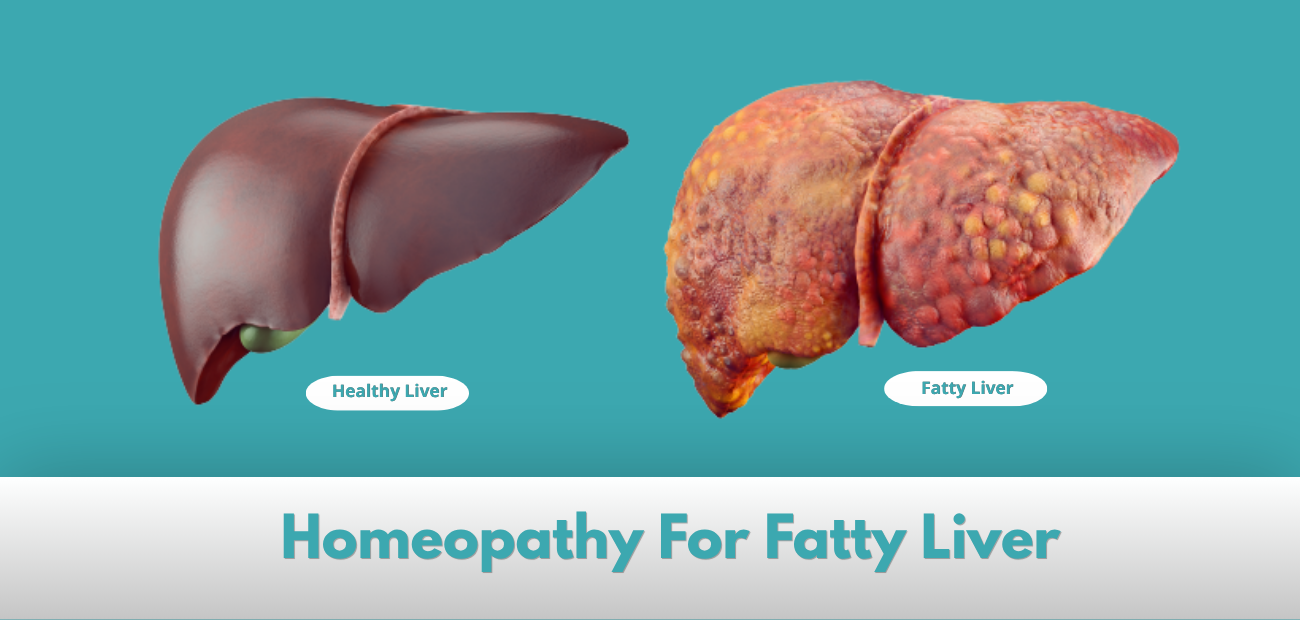
Fatty Liver Disease: The Silent Epidemic Hiding in 1 out of Every 3 Adults
Your liver can be quietly drowning in fat right now — and you’d have no idea. That’s the unsettling reality of fatty liver disease, a condition so common it now affects roughly one in three adults worldwide, yet so silent that most people discover it by accident during a routine scan.
Most of the times you are told – eat less sugar, exercise more, lose weight. All true — but you miss the bigger picture. Two things almost nobody talks about play a surprisingly big role in fatty liver: your gut bacteria and your sleep. Once you see how they’re connected, prevention starts to make a lot more sense. This guide walks through the science in plain language, plus homeopathic remedies many practitioners use to support the liver holistically.
What Is Fatty Liver Disease? (And Why It Has a New Name)
Doctors used to call this condition NAFLD (non-alcoholic fatty liver disease). That name is being phased out. It’s now more often called MASLD — Metabolic dysfunction-Associated Steatotic Liver Disease — because the real driver isn’t just “no alcohol,” it’s an underlying metabolic imbalance: insulin resistance, extra body fat, and blood sugar swings.
Fatty liver develops in stages:
- Simple fatty buildup – excess fat in the liver, often no symptoms (usually reversible)
- Inflammation stage – the fat starts irritating and damaging liver cells
- Scarring (fibrosis) – the liver begins forming scar tissue in response to ongoing damage
- Cirrhosis – advanced, often permanent scarring
You’re Only “10% You”
Here’s a number that puts things in perspective: of all the cells associated with your body, only about 1 in 10 are actually human — the rest are bacteria, mostly living in your gut. All those gut bacteria together weigh close to 1 kilogram, roughly the same as your liver.
Why does this matter for fatty liver? Because your gut bacteria aren’t just sitting there — they quietly influence how much fat and sugar your body absorbs, stores, and burns. When this bacterial community falls out of balance (something researchers call “dysbiosis“), it’s been linked to a whole cluster of conditions — including obesity and fatty liver disease itself.
In simple terms: a big part of your liver health may actually start in your gut.
The Sleep Connection: Why One Bad Week Can Throw Off Your Metabolism
Just a few nights of poor sleep can measurably shift your gut bacteria and worsen how your body handles blood sugar — even before any change in diet.
Here’s roughly what happens when sleep is cut short or constantly interrupted:
- Your body’s stress hormones (like cortisol) go out of balance
- Inflammation quietly rises
- Your cells become less responsive to insulin, the hormone that clears sugar from your blood
- Fat starts being released into your bloodstream at the wrong times, including overnight
Over time, this pattern raises the risk of insulin resistance, type 2 diabetes, and — you guessed it — fat building up in the liver.
There’s also a neat “clock” angle to this: your gut bacteria help keep your liver, pancreas, and muscles in sync with your body’s internal master clock (the one that responds to light and mealtimes). When your sleep schedule is chaotic, this internal timing system gets confused, and organs like your liver can drift out of their normal rhythm — making fat storage more likely.
How Insulin Resistance Actually Leads to Liver Fat
Insulin is the hormone that tells your cells, “Sugar’s here, go absorb it and put it to use.” When cells stop listening properly to insulin — a state called insulin resistance — a few things go wrong at once:
- Your liver keeps producing sugar even when it doesn’t need to
- Your fat tissue releases more fatty acids into the bloodstream than it should
- Much of that circulating fat gets pulled into the liver and stored there
This is why doctors increasingly see insulin resistance — not just “eating too much fat” — as the real engine behind fatty liver disease. It also explains why sleep, stress, and gut health all matter so much: each one directly affects how well your cells respond to insulin.
Early Warning Signs Most People Dismiss
- Persistent fatigue or low energy
- Dull ache or fullness in the upper right abdomen
- Unexplained weight gain around the midsection
- Skin or eyes with a yellow tinge (jaundice — a later sign)
- Spider-like blood vessels visible on the skin
- Trouble concentrating or “brain fog”
If several of this sound familiar, it’s worth asking your doctor for a liver panel and an ultrasound.
Natural, Practical Strategies for a Healthier Liver
- Feed your gut bacteria well — fiber-rich vegetables, legumes, and fermented foods support a healthier gut community
- Protect your sleep like a health appointment — aim for consistent sleep and wake times; even short-term sleep disruption has real metabolic effects
- Cut added sugar and sugary drinks — strongly linked to liver fat buildup
- Move daily — regular activity improves how your cells respond to insulin
- Aim for gradual weight loss — losing 5–10% of body weight over several months is linked to meaningful improvement in liver fat; crash diets can backfire
- Limit or avoid alcohol — even moderate drinking adds to liver fat accumulation
- Manage stress — chronic stress keeps cortisol elevated, which works against the same systems disrupted by poor sleep
Homeopathic Remedies for Fatty Liver: What Practitioners Commonly Consider
Homeopathy approaches fatty liver as part of a person’s overall constitutional picture — not a one-size-fits-all prescription. Remedy selection ideally reflects the individual’s specific symptoms, digestive tendencies, and general constitution, and should be guided by a qualified homeopathic practitioner. Remedies commonly discussed in homeopathic literature for liver sluggishness and fatty liver-related complaints include:
| Remedy | Commonly Associated With |
| Chelidonium Majus | Considered a primary liver remedy in homeopathy; associated with right-sided abdominal discomfort and sluggish digestion |
| Lycopodium Clavatum | Often indicated for bloating, gas, and liver complaints that worsen in the late afternoon |
| Nux Vomica | Frequently used for liver strain linked to rich food, alcohol, or a sedentary lifestyle |
| Carduus Marianus (Milk Thistle) | Used in both herbal and homeopathic traditions; associated with supporting liver tissue |
| Phosphorus | Sometimes indicated for fatty degeneration of organs, including the liver |
| Chionanthus Virginica | Traditionally associated with jaundice and fatty liver symptoms |
Important: These remedies should be selected individually and are best used alongside — not as a substitute for — regular medical monitoring of liver enzymes and metabolic markers, since fatty liver can progress silently.
Frequently Asked Questions
Can fatty liver be reversed? In the early stages, yes — many people see real improvement through diet, better sleep, stress management, and gradual weight loss. Once significant scarring develops, reversal is harder, though improvement is still possible with sustained lifestyle change.
Is fatty liver only caused by alcohol? No. Most cases today are driven by metabolic issues like insulin resistance and excess body fat, not alcohol — which is exactly why the medical name for the condition has changed.
Does poor sleep really affect the liver? Yes. Even short-term sleep disruption has been shown to shift gut bacteria and worsen blood sugar handling — both of which raise fatty liver risk.
Are homeopathic remedies enough to treat fatty liver on their own? They’re best used as part of a broader approach that includes diet, sleep, and movement, with individualized remedy selection by a qualified practitioner and regular medical follow-up.
The Bottom Line
Fatty liver disease isn’t just a diet problem — it’s a whole-body signal involving your gut bacteria, your sleep, and how well your cells respond to insulin. Addressing all three — through mindful eating, protected sleep, movement, and individualized homeopathic support — gives your liver a genuinely holistic path toward healing.
This article is for informational purposes only and is not a substitute for professional medical advice, diagnosis, or treatment. Always consult a qualified healthcare provider or homeopathic practitioner regarding any liver condition or before starting any new remedy.
Curious which remedy fits your constitution?
Fatty liver looks different in every person. Book an Online Consultation and let’s find the right, individualized approach for you